Quick Answer
Vitamin B12 is the nutrient vegans should supplement consistently because food-only coverage is unreliable. A simple, regular supplement plan solves the gap for most people.
Let's skip the science overload and get straight to what you actually need to know.
B12 is the one nutrient you genuinely can't get enough of from a plant-based diet — unlike [iron](/article/the-iron-myth-you-don-t-need-meat-for-iron) and [calcium](/article/vegan-calcium-sources), which plants provide well. Not because something is wrong with eating plants — but because B12 is made by bacteria, and our food system has systematically removed those bacteria from the modern food supply (through sanitization, soil depletion, and water treatment). Even omnivores are often deficient. For vegans, supplementing is simply the smart, easy solution.
Here's everything you need, in the order you need it.
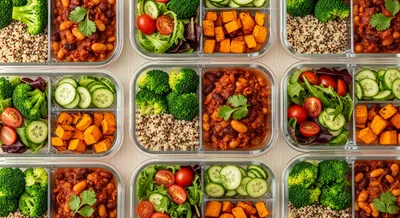
To make supplementation sustainable, tie it to your weekly grocery haul routine, set simple vegan at restaurants defaults for travel days, and adjust consistency when you're training like a plant-based athlete.
Key Takeaway
Take a B12 supplement: 2,500 mcg cyanocobalamin once per week or 250 mcg daily. B12 is the one nutrient you cannot reliably get from whole plant foods alone, but the supplement is inexpensive, widely available, and completely resolves the gap.
Do I Actually Need to Supplement?
Yes. And the good news is: it's one of the cheapest, easiest things you can do for your health.
B12 supports nerve function, red blood cell formation, and DNA synthesis. A deficiency builds slowly — you might not notice symptoms for months or years — but the consequences (nerve damage, fatigue, cognitive issues) are serious enough that this isn't worth gambling on. Take the supplement.
What Kind to Take
There are four forms of B12: methylcobalamin, adenosylcobalamin, hydroxocobalamin, and cyanocobalamin. Here's what you actually need to know:
Cyanocobalamin is the most studied form. It's stable, cheap, and well-absorbed. This is what most supplements use and the form with the most research behind it. Start here.
Methylcobalamin is another good option. Some people prefer it, especially if they have a gene variant (MTHFR) that affects B12 metabolism. It costs a little more. Either form is a solid choice.
Skip the B12 sprays, patches, and gummies unless they're all you can find — they're less reliable and often overpriced.
How Much to Take
This is where people get confused because the math is counterintuitive.
If taking daily: 25–100 mcg cyanocobalamin.
If taking 2–3x per week: 1,000 mcg cyanocobalamin.
If taking weekly: 2,000 mcg cyanocobalamin.
Why does less frequent dosing require higher amounts? B12 absorption is limited by a protein called intrinsic factor. Your body can only absorb about 1.5 mcg at a time through this pathway. Everything else is absorbed passively at about 1% — which is why higher doses work even though most of it passes through. Daily low doses and weekly high doses are both effective strategies. Pick whichever fits your life.
When to Take It
It doesn't matter much — morning, evening, with food or without. Consistency matters more than timing. Put it next to something you do every day. I keep mine next to my coffee maker.
What About Fortified Foods?
Fortified plant milks, [nutritional yeast](/article/plant-based-pantry-essentials), and some cereals do contain B12. If you eat a variety of fortified foods consistently, you might be covered — but most people aren't consistent enough to rely on this alone. Use fortified foods as a bonus, not your primary strategy.
Signs of Deficiency to Watch For
- Fatigue that doesn't resolve with sleep
- Tingling or numbness in hands or feet
- Brain fog or memory issues
- Pale or yellowish skin
- Mouth sores or a swollen tongue
If you have any of these, see a doctor and get a blood test. Deficiency is treatable, but don't wait it out.
The Bottom Line
Take a B12 supplement. Use cyanocobalamin. Take it daily or weekly depending on the dose. Cost: under $10 for a year's supply. This is the lowest-effort, highest-impact health habit in a plant-based diet.
That's the whole guide. For the next most-asked nutrient questions, [protein myths debunked](/article/protein-myths-debunked) and [plant-based calcium sources](/article/vegan-calcium-sources) are worth reading.